Your facility requires consistent cleaning schedules tailored to specific risks, daily throughput, food allergens, and regulatory visits, including auditable records confirming HACCP requirements, compliance audits, and public health regulations. The information following provide guidance on sanitation program requirements.
Important Highlights
- Brampton food safety cleaning experts support restaurants, grocery departments, commissaries, warehouses, bakeries, schools, mobile vendors, and allergen-sensitive operations.
- Compartmentalized approaches sanitize high-touch surfaces, food-contact equipment, kitchens, floors, drains, restrooms, and storage areas for preventing cross-contamination.
- Confirmation of proper chemical concentration, appropriateness, and exposure duration is completed by approved contractors, with completion logged using swabs, assessments, and corrective-action records.
- Hygiene timelines need to respect danger, throughput, transitions, releases, and standards, with regular, periodic, and annual tasks designated by zone.
- Providers ought to possess hazard analysis knowledge, public-health expertise, safety training instruction, insurance, credentials, color-coded implements, and compliance-ready hygiene documentation.
Brampton Operations That Need Food Safety Cleaning: Which Ones?
You must comply with food safety cleaning if your establishment is falls under public health review, food regulations, or HACCP systems. This covers eateries, dining areas, supply warehouses, retail departments, meat counters, fish departments, general stores, and facility-based kitchens.
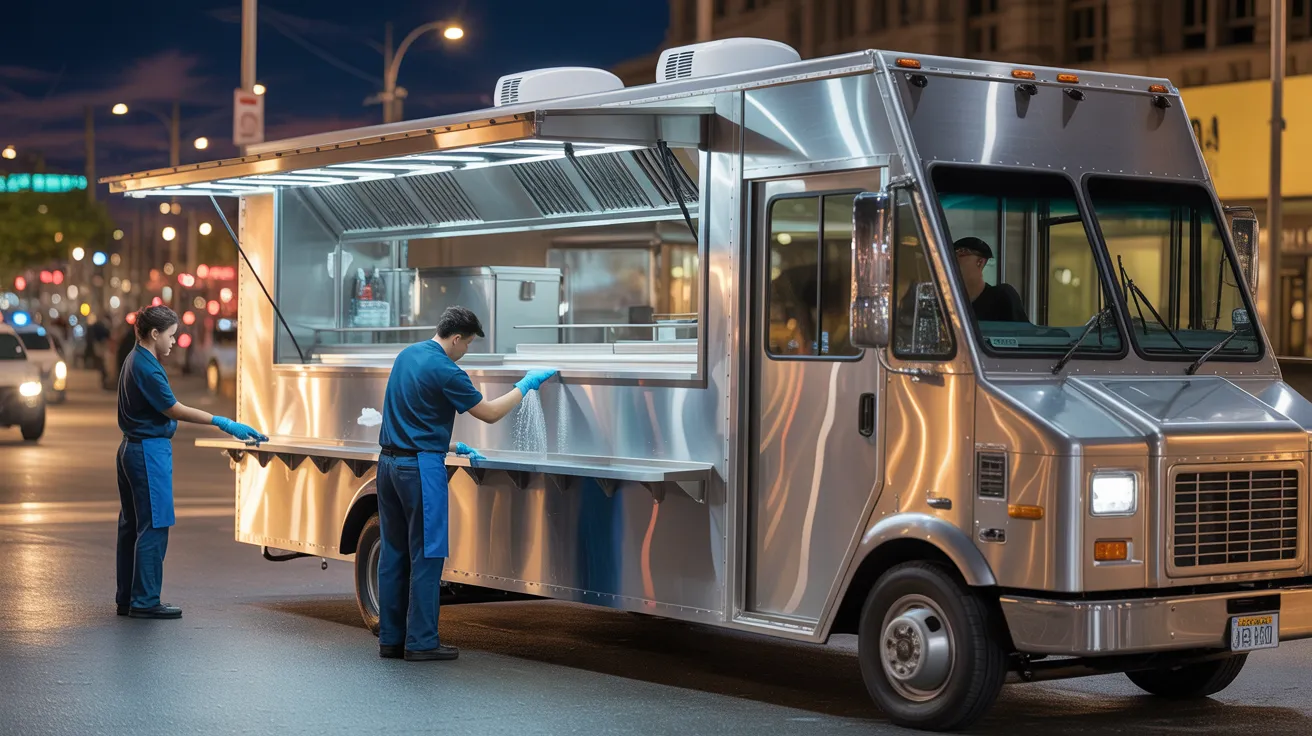
You'll additionally need proper hygiene protocols in supply facilities, manufacturing operations, cold storage warehouses, bakeries, school food programs, reception halls, and delivery services. Seasonal and mobile ventures count as well, like catering trucks, festival vendors, and pop-up food booths. Should your workers prepare supplies, portion finished foods, reheat items, or manage allergen inventory, your venue requires documented cleaning protocols. In Brampton, hygiene continues to be necessary; it constitutes legal, operational, and consumer protection compliance.
What Do Brampton Cleaning Professionals Handle?
You require experienced cleaning professionals who disinfect high-touch surfaces, cooking areas, flooring, and bathrooms to ensure compliance with food safety and health standards. These areas are targeted because they carry the greatest contamination risk, slip and fall dangers, and health code violations.
When you understand what they clean, you can ensure your operation's cleaning procedures satisfy compliance and operational standards.
Key High-Touch Surface Sanitizing
arrange cleaning frequency based on foot traffic, environmental hazards, and business activities.
sample collection to check sterilization results
Cooking Zones, Walking Surfaces, and Restroom Environments
Brampton cleaning services focus on kitchens, floors, and restrooms as each zone presents different food safety, slip-and-fall, and public health risks. In industrial kitchens, you need degreasing on cook lines, equipment exteriors, drains, prep surfaces, and splash zones to reduce contamination and pest pressure.
Professional floor upkeep with documentation is also included. is also provided as part of the service.
Restroom cleaning involves sanitizing surfaces, fittings, separators, dispensers, and containers, restocking supplies and controlling odours. They also service restaurant moprooms, where chemical storage, sink hygiene, and drainage conditions can affect sanitation compliance and staff safety daily.
The Importance of Food Safety Cleaning in Brampton
Brampton facilities require proper hygiene standards to fulfill health code requirements and pass audits. You also minimize bacterial spread through proper cleaning of food-preparation surfaces, appliances, and frequently-touched items. Most importantly, you safeguard community wellness by reducing the chance of food poisoning in your establishment.
Health Code Compliance
Since Brampton food operations must follow stringent health requirements, your hygiene maintenance directly affects your ability to meet health codes, protect diners, and avoid regulatory penalties. You must maintain sanitary food-contact surfaces, written maintenance records, appropriate product handling, and documented employee protocols that align with municipal and provincial inspection expectations.
Robust cleaning systems enables allergen reduction by reducing contaminants on joint machinery and commonly contacted zones.
Contamination Management
Following health code standards depends on your skill in stopping cross-contamination in routine food work and sanitation. You should isolate raw items from prepared foods, sanitize prep surfaces between tasks, and maintain separation of cleaning products from food. Well-defined guidelines decrease contamination chances and support consistent compliance during inspections.
Implementing allergen segregation helps keep priority allergens from contacting communal work zones, bins, or devices. Deploy dedicated cutting boards, color-coded tools, and clear tool marking so staff don't mix items while preparing or distributing. Enforce hand hygiene following raw meat, seafood, eggs, or allergen-containing products. Refresh cleaning cloths often, and verify sanitizer strength with test strips. When your team learns these guidelines per shift, you establish a more hygienic, safer workplace that satisfies Brampton's food safety needs daily.
Public Wellness Defense
When sanitation protocols fails, you don't just risk a failed inspection—you increase the chance of food-related sickness impacting customers, staff, and the wider Brampton community. You also weaken your role in protecting public health, especially in busy food facilities where pathogens travel quickly through surfaces, equipment, and touchpoints.
You depend on cleaning procedures that remove soils, effectively sanitize, and verify results. This involves maintaining exposure times, utilizing authorized sanitizers, maintaining records, and coaching staff to meet compliance standards. These actions support pathogen control by suppressing pathogens before contaminating food or hands. In Brampton, effective cleaning shields vulnerable populations, minimizes disease spread, and proves your diligence. When you adhere to proper protocols, you go beyond regulations—you substantially reduce risk and promote secure food service across the region.
Why Is Cleaning Essential for Food Safety Compliance?
Embracing thorough cleaning protocols underpins food safety compliance by decreasing contamination threats, preventing pathogen multiplication, and maintaining your facility's adherence to sanitation requirements under HACCP-based programs and public health regulations. You verify that food-handling surfaces appear visibly clean and microbiologically controlled, facilitating documented preventive controls and inspection readiness.
Effective cleaning also reinforces allergen control by eliminating residues that can trigger undeclared allergen exposure. by extracting residues that can cause undeclared allergen exposure.
When Should You Plan Commercial Cleaning?
You'll find the best results from cleaning routines that reflect risk levels, output volume, and legal mandates rather than a rigid calendar system alone.
Seasonal deep cleaning ought to be planned for shutdowns, weather-related soil buildup, or pest-pressure periods
How Do You Choose Brampton Cleaning Experts?
Start by screening providers against food sanitation standards, not price alone. You should verify that each company understands CFIA, public health, and HACCP compliance standards relevant to your facility. Ask for proof of insurance, WHMIS compliance, documented staff training, and supervision practices. Review whether technicians understand contamination prevention, chemical handling, and traceable sanitation records.
You should further examine operational reliability and answerability. Request testimonials from Brampton food businesses, then review response times, corrective-action procedures, and communication standards. Validate the company supports supplier audits and can supply compliance documentation to regulators or third parties. Confirm equipment receives maintenance, color-coded implements are applied correctly, and facility-specific risks are identified. A experienced service protects compliance, product quality, and your reputation in the market.
What does a Food Safety Cleaning Plan consist of?
Establish a documented plan that establishes every sanitation task, standard, and responsibility before production begins. You should list cleaning intervals, permitted substances, dilution percentages, exposure times, instruments, and inspection methods for each sector, surface, and equipment. Add pre-operational inspections, corrective actions, and employee training requirements.
Your program should also address cross-contamination controls, waste handling, pest-prevention measures, and documented schedules for restrooms, drains, floors, and food-contact areas. Detail how you'll keep raw and prepared foods apart, enable ingredient tracking, and maintain accurate allergen labeling through validated cleaning between product changes. You should designate accountability, maintain signed records, and review results against regulatory standards, HACCP controls, and customer requirements. When gaps appear, revise procedures immediately and retrain staff.
Frequently Posed Questions
Are cleaning services offered for nighttime operations in Brampton properties?
If you operate controlled facilities, you'll also need documentation that support inspections and maintain compliance.
Can sanitation professionals manage emergency spill response?
Yes, you can find many Brampton sanitation professionals who offer hazard containment services. They handle contamination, evaluate dangers, isolate affected areas, and begin swift cleanup to reduce exposure and prevent business interruption. You should verify arrival timeframes, training certifications, PPE protocols, and disposal procedures. If your facility must meet regulatory requirements, select a service that documents incidents, follows compliant standards, and supports audit readiness.
Are eco-friendly disinfectants safe for food-contact surfaces?
In essence, natural disinfectants function safely for food-handling equipment provided you select solutions certified for food use that comply with compliance requirements. Verify application timing, dilution ratios, and rinse procedures prior to application. Botanical formulations reduce harsh chemical exposure, although you should obtain confirmation of performance against relevant pathogens. To ensure surfaces without residue, adhere to manufacturer directions precisely and ensure the sanitizer adheres to food sanitation requirements.
Will cleaning plans adapt to production fluctuations?
Yes, source you can adjust cleaning schedules for seasonal variations. You should modify intervals, staff levels, sanitizers, and verification steps to correspond to production rhythms while maintaining regulatory requirements. You'll lower operational delays by scheduling cleaning around line changes, peak volumes, and usage patterns. You should also update SSOPs, instruction programs, and environmental monitoring to capture periodic risks, novel allergens, or increased soiling. Continuous reviews ensure your strategy functional.
Are professional cleaning companies providing employee instruction on hygiene protocols?
Certainly, professional cleaning experts train your employees on hygiene protocols. You secure employee development on proper chemical use, contact times, cross-contamination prevention, equipment disassembly, and documentation. They typically align coaching with HACCP, GMP, and CFIA or local public health standards. Many execute health assessments to check standards, identify gaps, and reinforce corrective actions. This helps you maintain consistent procedures, pass inspections, and minimize foodborne pathogen risks every day.
Final Thoughts
Partnering with Brampton commercial cleaning and food safety experts goes beyond tidying—it ensures your facility meets inspection standards and your protocols are defensible. From processing facilities to kitchens, each cleaned area and maintained corner lessens contamination risk and prevents major expenses. By scheduling maintenance at suitable frequencies and executing a comprehensive cleaning strategy, you shield your workforce, clients, and your image. In a tightly controlled market, clean environments are non-negotiable—they're critical to business success.